July results of the Bank Lending Survey in Germany Credit standards tightened in all loan categories
The German banks responding to the Bank Lending Survey (BLS) tightened their credit standards for loans to enterprises and loans to households in the second quarter of 2026. The tightening for loans to enterprises was somewhat weaker than in the previous quarter and fell short of what banks had anticipated in the April 2026 survey. The banks justified the tightening in all loan categories primarily on the grounds that credit risk had risen.
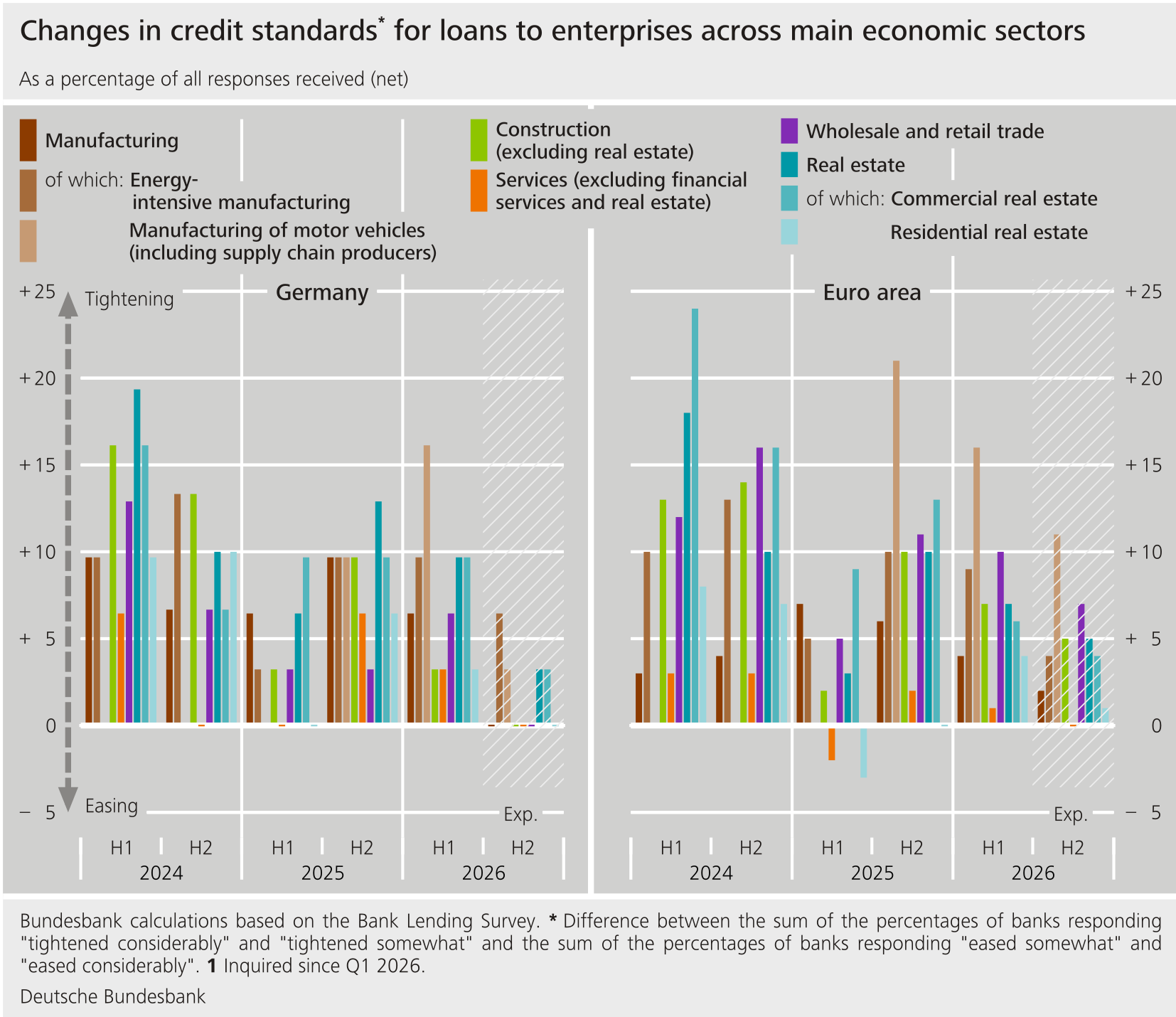
Over the past six months, banks tightened their credit standards for loans to enterprises most sharply for the real estate and manufacturing sectors and the wholesale and retail trade.
Owing to climate-related risks and measures to cope with climate change, the past twelve months saw banks tighten their credit standards for high-emitting firms and firms in transition. In the case of loans to households for house purchase, credit standards also became more restrictive for loans for buildings with low energy performance.
The banks made their terms and conditions for loans to enterprises and loans to households for house purchase more restrictive in the second quarter of 2026. Terms and conditions for consumer credit and other lending remained unchanged on balance.
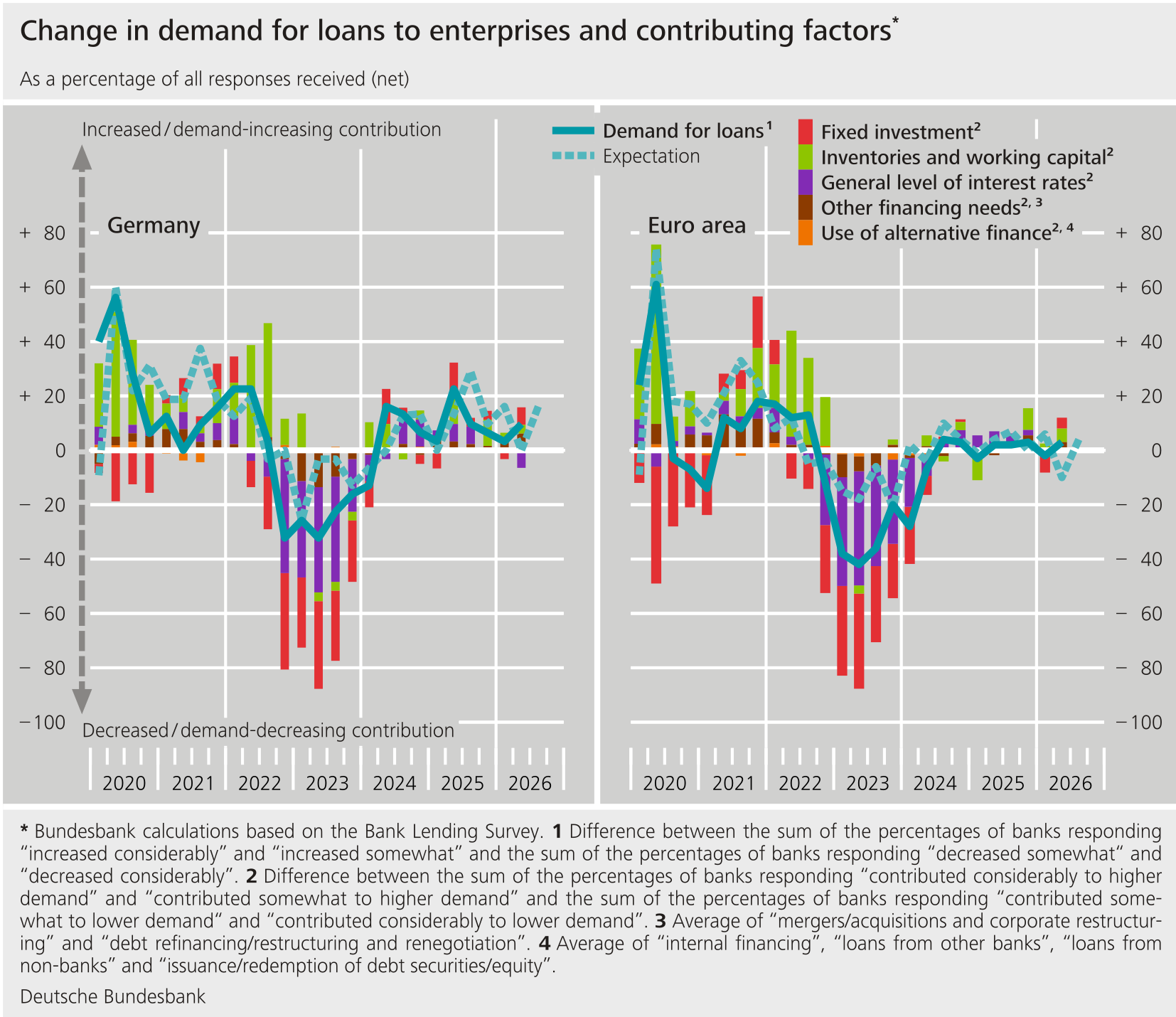
Demand for loans to enterprises rose in the second quarter of 2026. By contrast, demand for loans to households fell significantly.
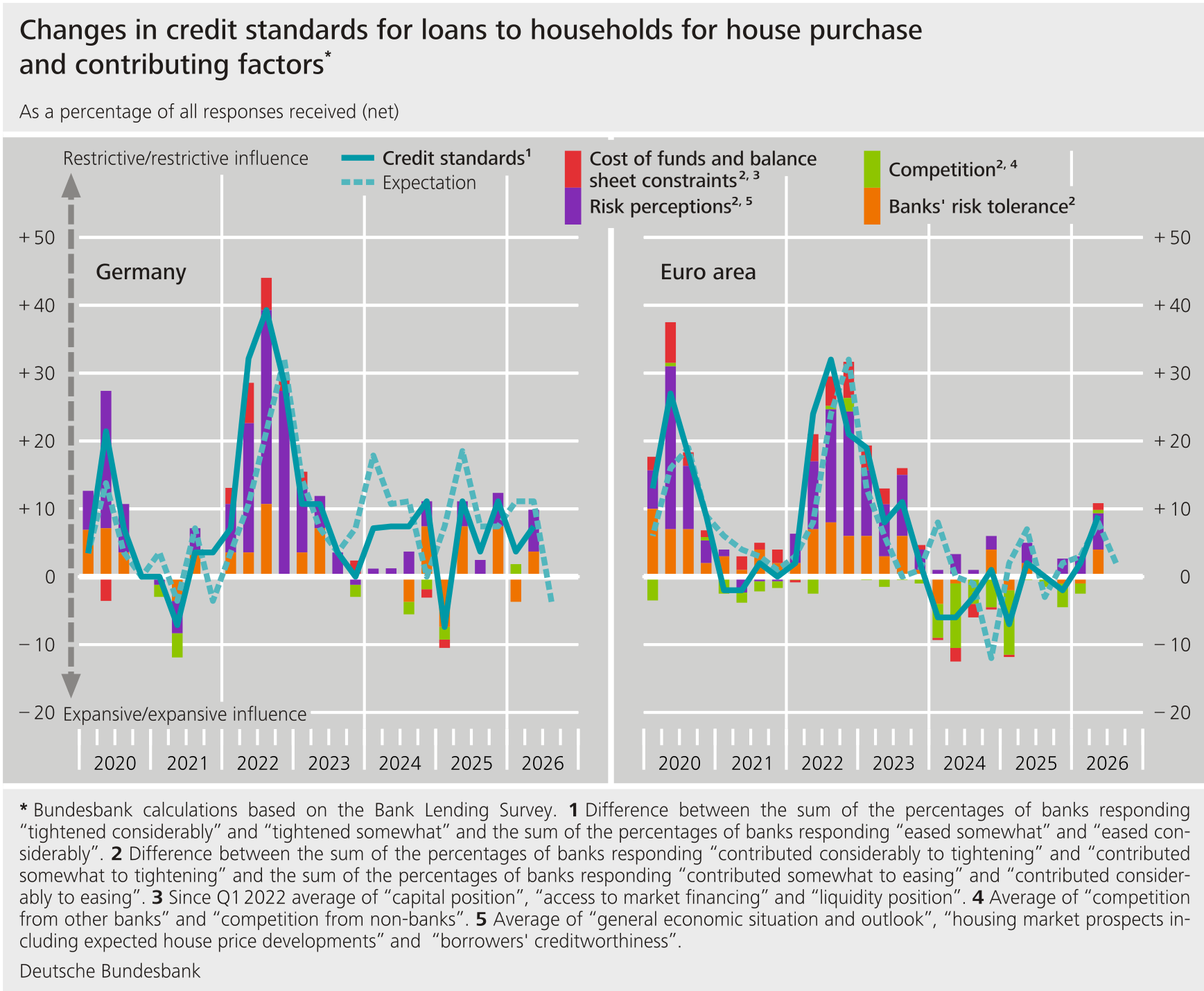
The BLS covers three loan categories: loans to enterprises, loans to households for house purchase, and consumer credit and other lending to households. On balance, the surveyed banks tightened their credit standards (i.e. their internal guidelines or loan approval criteria) in all three loan categories. The net percentage of banks that tightened their requirements was + 10 % for loans to enterprises (compared with + 16 % in the previous quarter), + 7 % for loans to households for house purchase (compared with + 4 % in the previous quarter), and + 11 % for consumer credit and other lending to households (compared with + 11 % in the previous quarter). For loans to enterprises, the tightening was somewhat weaker than in the previous quarter. It also fell short of what banks had anticipated in the April survey. The most recent round of tightening concerned large enterprises in particular.
The banks justified the tightening of credit standards in all loan categories primarily on the grounds that credit risk had risen. In the case of loans to enterprises, banks attributed the increase in credit risk first and foremost to sector-specific and firm-specific factors, as well as to the subdued economic situation and outlook. The conflict in the Middle East has so far had little impact on credit standards for loans to enterprises at the surveyed German banks. Banks reported only minor effects in the previous quarter, too. For loans to households, bank responses indicate that, in addition to the subdued economic situation and the more muted economic outlook, the decline in households’ creditworthiness also played a role. For the third quarter of 2026, banks are planning to leave their credit standards largely unchanged in all loan categories. However, given the uncertainty over the impact of the conflict in the Middle East, banks are not ruling out further adjustments.
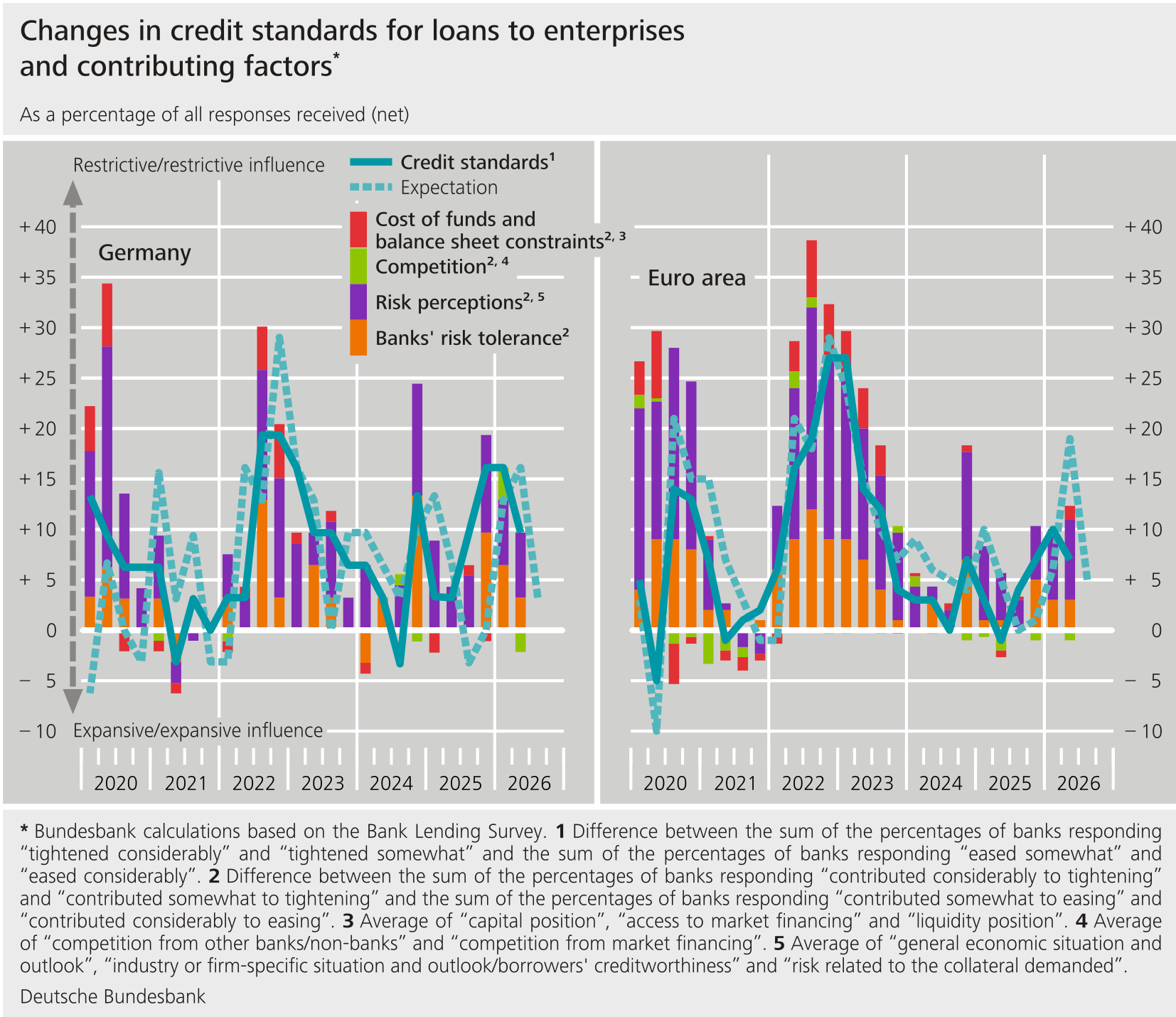
On balance, banks tightened their credit terms and conditions (i.e. the terms and conditions actually approved as laid down in the loan contract) for loans to enterprises and loans to households for house purchase. According to the banks, the restrictive adjustments were the outcome of higher lending rates and an increase in margins for riskier loans. In the case of loans to enterprises, banks also tightened loan covenants. Banks justified the adjustments primarily on the grounds of increased credit risk and, for loans for house purchase, on the grounds of higher funding costs and reduced risk tolerance. Viewed in isolation, competition with other banks had an expansionary effect on loans to enterprises. In the loan category of consumer credit and other lending to households, credit terms and conditions remained unchanged on balance.
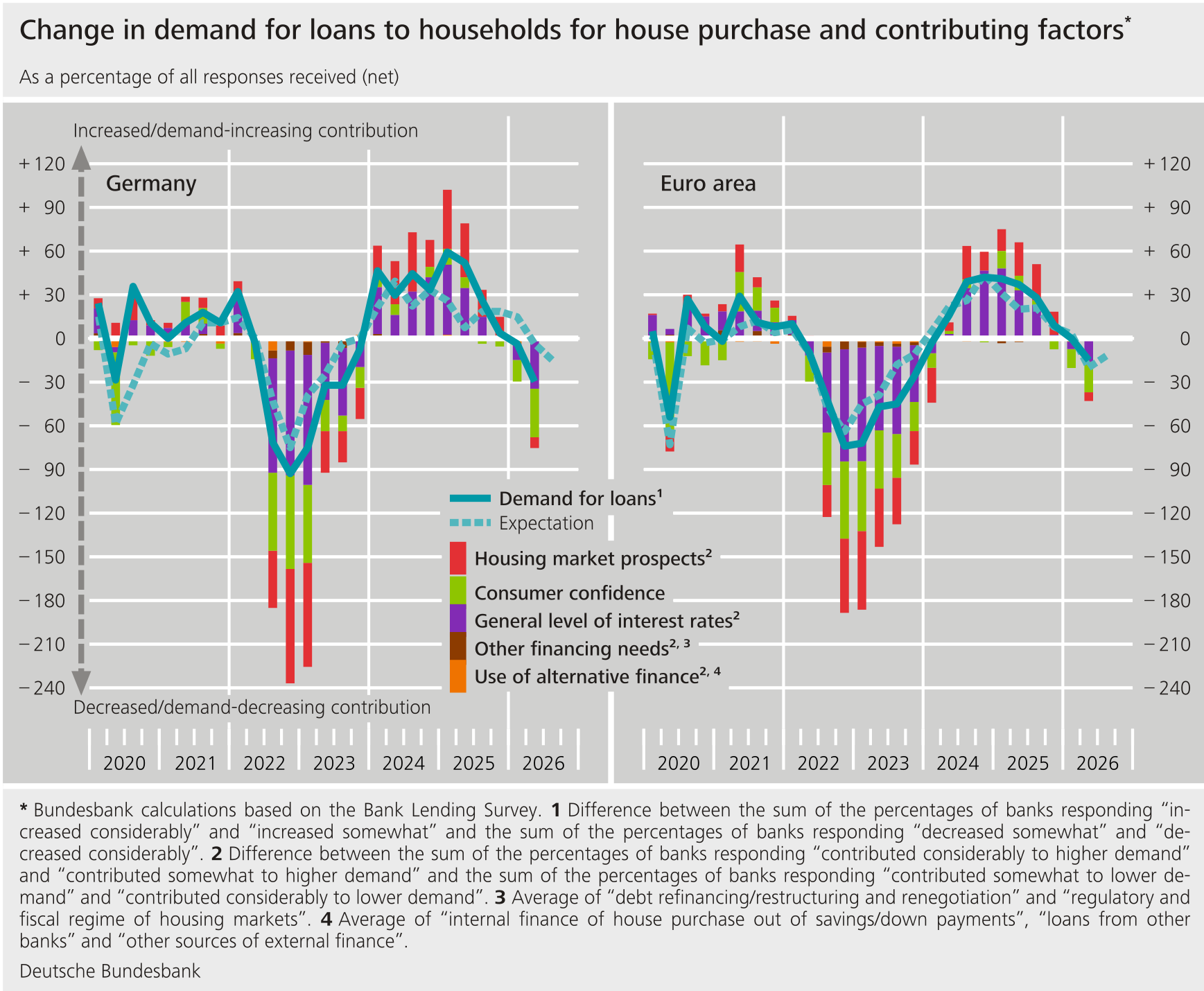
According to the surveyed banks, demand for bank loans to enterprises in Germany rose in the second quarter of 2026, while demand for bank loans to households fell on the quarter. For loans to enterprises, the recovery in demand that had started in the first half of 2024 therefore continued. After the slowdown in momentum in the previous two quarters, demand picked up again somewhat more strongly. Furthermore, the increase in demand from enterprises exceeded banks’ expectations in the previous survey round. The increase in demand for loans to enterprises was attributable solely to large enterprises. By contrast, demand for loans to small and medium-sized enterprises declined somewhat. Furthermore, the increase in funding needs only concerned long-term loans. The banks attributed the increase in demand primarily to debt refinancing/restructuring and renegotiation. In addition, they reported an increase in financing needs for fixed investment at large firms. The general level of interest rates had a dampening effect on demand for the first time since the July 2024 survey. Households’ demand for loans for house purchase, consumer credit and other lending declined to an extent not seen for three years. In both categories, demand fell short of banks’ expectations in the previous survey. Banks attributed the decline to lower consumer confidence, the higher general level of interest rates and lower spending on durable consumer goods. The outlook for the residential real estate market had a negative impact on demand for loans for house purchase for the first time in two years. The loan rejection rate for loans to enterprises went up again. The rejection rate also increased for consumer credit and other lending but remained virtually unchanged for loans to households for house purchase. In business with enterprises, banks are expecting demand to pick up further in the third quarter of 2026. By contrast, in business with households, banks are expecting a further decline in financing needs.
The July survey round contained ad hoc questions on participating banks’ financing conditions and about the impact of non-performing loans (NPLs) and other indicators of credit quality on the institutions’ lending policies. It also contained a question on credit standards and demand for loans across the main sectors of economic activities. A question was also asked about the impact of climate-related risks and measures to cope with climate change on banks’ lending, i.e. the impact on credit standards and loan demand from high-emitting firms, firms in transition and “green” firms. In addition, the impact of climate-related factors on loans to households for house purchase was considered, broken down by buildings with low and good or high energy performance.
Given the conditions in financial markets, German banks reported a slight deterioration overall in their funding situation. There was a deterioration in access to short-term customer deposits and refinancing via debt securities, in particular.
In the second quarter of 2026, the NPL ratio (the stock of gross NPLs on the bank’s balance sheet as a percentage of the gross carrying amount of loans) and other indicators of credit quality did not contribute significantly to the tightening of credit standards in any of the three loan categories. In the preceding survey rounds, banks had still reported restrictive effects, especially for loans to enterprises.
Over the past six months, credit standards for loans to enterprises were tightened most sharply in the real estate and manufacturing sectors and the wholesale and retail trade. In the manufacturing sector, tightening was particularly significant in relation to the manufacturing of motor vehicles and energy-intensive manufacturing. However, restrictive adjustments were made in all the other economic sectors covered by the survey as well. Over the next six months, banks are planning to tighten their credit standards once again for the commercial real estate sector, the manufacturing of motor vehicles and energy-intensive manufacturing.
In the banks’ assessment, demand for loans to enterprises declined or remained unchanged over the past six months in almost all major economic sectors. The decline was particularly significant for enterprises engaged in motor vehicle manufacturing and in the residential real estate sector. Demand also declined in the manufacturing sector (including energy-intensive manufacturing) and the construction sector (excluding real estate). Demand in the services sector and the wholesale and retail trade remained unchanged. By contrast, demand in the commercial real estate sector rose slightly. Over the next six months, banks expect hardly any changes in loan demand in most key sectors of the economy. They expect demand to pick up only in the construction sector and in the commercial and residential real estate sectors.
Climate-related risks and measures to cope with climate change have had a particularly restrictive impact on credit standards for loans to high-emission firms over the past twelve months. A somewhat smaller restrictive impact of climate change was also observed in credit standards for loans to firms in transition. By contrast, climate change had no impact on loans to “green” firms. Over the next twelve months, banks expect climate change to have an easing impact on their credit standards for “green” firms. They are expecting climate change to have a further restrictive impact on their credit standards for loans to other enterprises. At the same time, taken in isolation, the effects of climate change stimulated loan demand from firms in transition and high-emitting firms. By contrast, climate change and climate policy had no impact on loan demand from “green” firms. For the next twelve months, banks are expecting to see climate change stimulate demand for loans irrespective of firms’ classification.
In the case of loans to households for house purchase, credit standards became more restrictive for loans for buildings with low energy performance leading to no or limited improvements in energy performance. By contrast, climate-related risks and measures to cope with climate change had a slightly expansive impact on credit standards for loans for buildings with current or targeted high energy performance. Over the next 12 months, banks plan on differentiating to a much greater extent when adjusting credit standards. Viewed in isolation, climate change and climate policy stimulated demand for loans for buildings with current or targeted high energy performance. By contrast, demand for loans for buildings with low energy performance was negatively affected by climate-related factors. Over the next twelve months, too, banks expect rising demand for loans for buildings with high energy performance and declining loan demand for buildings with low energy performance.
The Bank Lending Survey, which is conducted four times a year, took place between 15 and 30 June 2026. In Germany, 33 banks took part in the survey, with a response rate of 100 %.