

The future of monetary policy: How AI is transforming central banking
Artificial intelligence is evolving at a rapid pace. And with it come changes in how the economy, businesses and financial markets function. How these technological changes are impacting on the tasks of central banks was the focus of a joint conference on “Artificial Intelligence and the Future of Central Banking” organised by the Deutsche Bundesbank and SUERF.
Experts from the academic community, central banks and international organisations came together in Frankfurt to discuss the opportunities, risks and long-term implications of AI for monetary policy analyses and decision-making processes.
Nagel: “Technology should ultimately serve people”
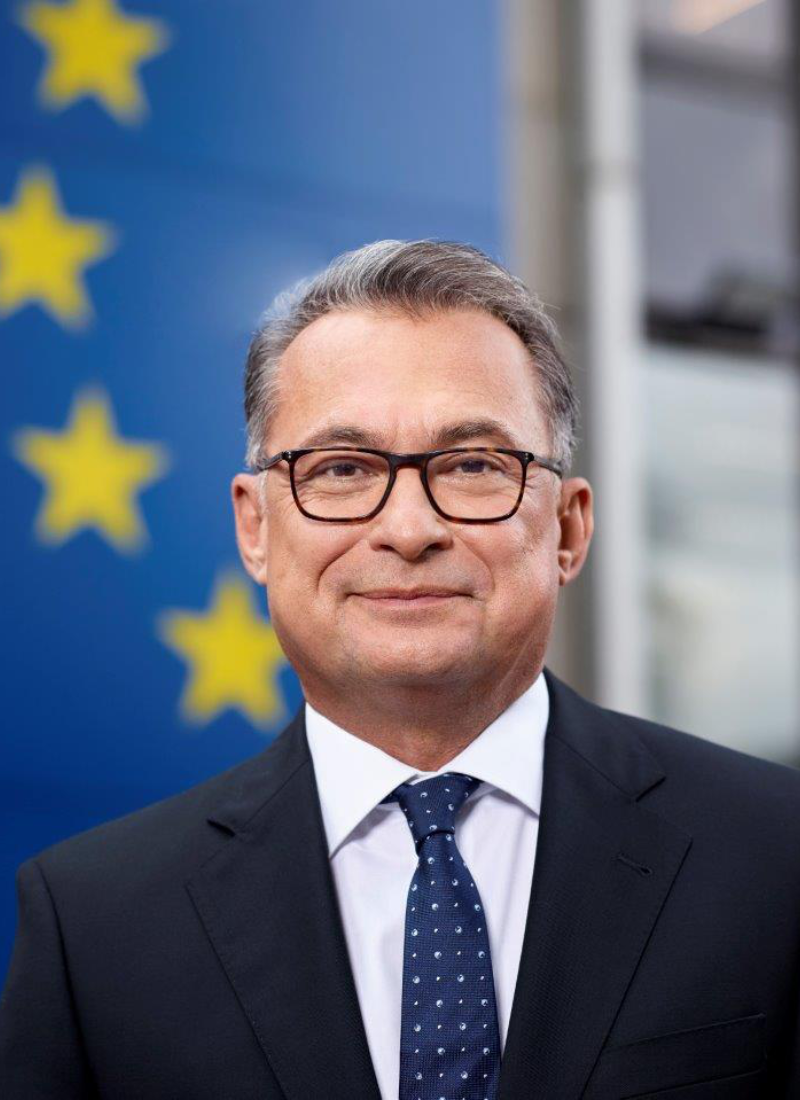
In his welcome address, Bundesbank President Joachim Nagel focused on the importance of artificial intelligence for the work of central banks. Mr Nagel stressed that the economy and financial system are undergoing a phase of profound technological change, and that this is creating both opportunities and challenges.
He explained that the Bundesbank is already using a wide range of AI applications to improve analyses and support work processes. These include text-based intelligent assistants (TIAs),AI-based document analysis methods, and the MILA model for evaluating communication by euro area central banks. While these technologies are expanding our toolkit, Mr Nagel said, they are no substitute for the expertise of our staff. He made it clear that openness to innovation and responsible use of new technologies went hand in hand. The use of AI serves an overarching objective: Technology should ultimately serve people. And the same holds for us as central banks: we use AI to fulfil our mandate as well as possible.
In the subsequent keynote lecture, Álvaro Ortiz (BBVA Research) gave an impressive rundown of how modern data sources, text analyses and AI methods are already enabling a deeper understanding of macroeconomic developments.
New analytical toolkit: from machine learning to non-traditional data
The first session focused on forecasting models, structural analyses and new ways of creating scenarios using machine learning. Researchers from various European central banks and universities presented approaches for using AI models to support economic policy decisions without losing the transparency of traditional economic procedures.
In the second session, applications beyond traditional data were discussed. These included the evaluation of social media information, communication data and response patterns, and even the possibility of voice analysis. The contributions showed how much the information landscape of monetary policy institutions is expanding and how important it is to use these new data sources responsibly.
Another session was devoted to the macroeconomic impact of AI itself. Researchers shed light on how artificial intelligence can affect key macroeconomic variables such as productivity and the labour market, and what statistical challenges are associated with this.
Köhler-Geib: “Central banking is technology. On the one hand, we are actively using AI, and on the other, we are stepping up our research into the potential impact of AI on the future of central banking.”
In a final policy panel, Bundesbank Executive Board member Fritzi Köhler-Geib, whose remit includes IT, Data and Statistics, Risk Control and the Research Centre, emphasised the need to actively use AI. She mentioned the importance of creating measurable added value for the organisation and investing enough in the technology. She also presented the results of research to which the Bundesbank had contributed showing that the design of AI agents can have an impact on financial stability.
Underscoring how central banks need to proactively keep up with technological developments to ensure their future ability to act, she said: A robust data pool and modern IT architectures are crucial to strong analyses, reliable risk assessments and future-proof monetary policy.
Alongside Ms Köhler-Geib, the panel included experts from the ECB, the BIS, the OECD and other institutions who talked about strategic requirements for central banks. The discussion covered the role of human expertise, governance issues and international coordination in an increasingly data-driven environment.
Jens Ulbrich, Head of the Bundesbank’s Directorate General Economics, thanked participants for the spirited and constructive discussions in his closing remarks. Dialogue between researchers and practitioners is a key building block, he said, in preparing monetary policy institutions for the technological challenges of the coming years.
Agenda
Welcome address | |
Joachim Nagel | Joachim Nagel has been President of the Deutsche Bundesbank since January 2022. Prior to this, he had already served in management positions at the Bundesbank between 1999 and 2016, including as an Executive Board member from 2010 with responsibility for the Directorates General Markets, Controlling and IT.From 2016 to 2020, he worked for the KfW Group, including as an Executive Board member. In 2020, he moved to the Bank for International Settlements (BIS) where he became Deputy Head of the Banking Department. Dr Nagel studied economics at the University of Karlsruhe and received a doctoral degree in 1997. He also serves as a member of the Governing Council of the ECB, a Governor at the IMF and a member of the BIS Board of Directors. |
Keynote lecture | |
Alvaro Ortiz | Head of Big Data & AI Economic Analysis · BBVA Research Member of the Conference on Research in Income and Wealth (CRIW) at the NBER, and co-founder of the Financial Transactions "Big Data" Global Research Network. His research focuses on empirical macroeconomics, monetary and fiscal policy, and applied geopolitics, leveraging Big Data and AI methodologies. His work has been presented at leading internation-al forums, including the NBER Summer Institute, CEPRESSIM, Paris School of Economics Macro Days, SED meetings, and central bank conferences hosted by the Federal Reserve Board, Europe-an Central Bank, Bank of England, Bank of Spain, and the Central Bank of Swe-den. He holds a Ph.D. in Economics from Universidad Autónoma de Madrid and an Advanced Diploma in International Economics and Policy Research from the Kiel Insti-tute for the World Economy (Kiel IfW). |
Session 1: Forecasting and structural analysis with ML | |
Forecasting Public Debt in the Euro Area Using Machine Learning: Decision Tools for Financial Markets | |
Amélie Barbier-Gauchard | Amélie Barbier-Gauchard is Full Professor of Macroeconomics at the Faculty of Economics and Management, University of Strasbourg (France). Her field of interest are macroeconomics, fiscal policy, government performance, fiscal rules, public finance and European integration. She held various advisory positions for the French Prime Minister Services in Paris, the European Commission, the European Parliament, and the EU Committee of the Regions. |
Emmanouil Sofianos | Emmanouil Sofianos is a postdoctoral researcher at BETA, University of Strasbourg. His work bridges macroeconomics, forecasting, and machine learning, with a focus on euro area dynamics and the integration of political and institutional factors into predictive models. He applies interpretable AI techniques to support economic policy and improve forecasting. His research has been published in leading journals and presented at international conferences, and he collaborates on projects linking data science with policy design, under the ITI MAKErS initiative. |
Dual Interpretation of Machine Learning Forecasts | |
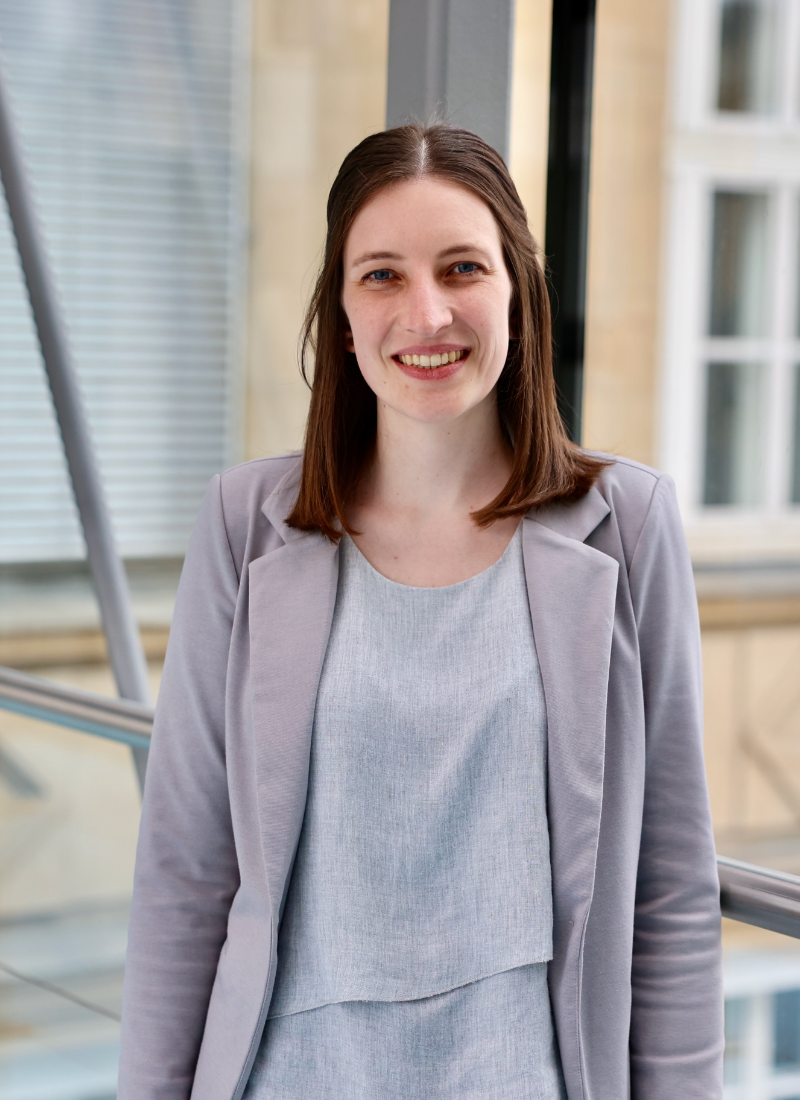
Karin Klieber | Karin Klieber is Economist in the Prices & Costs Division at the European Central Bank, on leave from the Austrian National Bank (Oesterreichische Nationalbank, OeNB). She is specializing in the intersection of applied econometrics and central banking, bridging the gap between academic research and policy needs. Her research focuses on inflation developments, monetary policy, and machine learning in applied econometrics. She holds a PhD from the University of Salzburg. |
Scenario analysis with multivariate Bayesian machine learning models | |
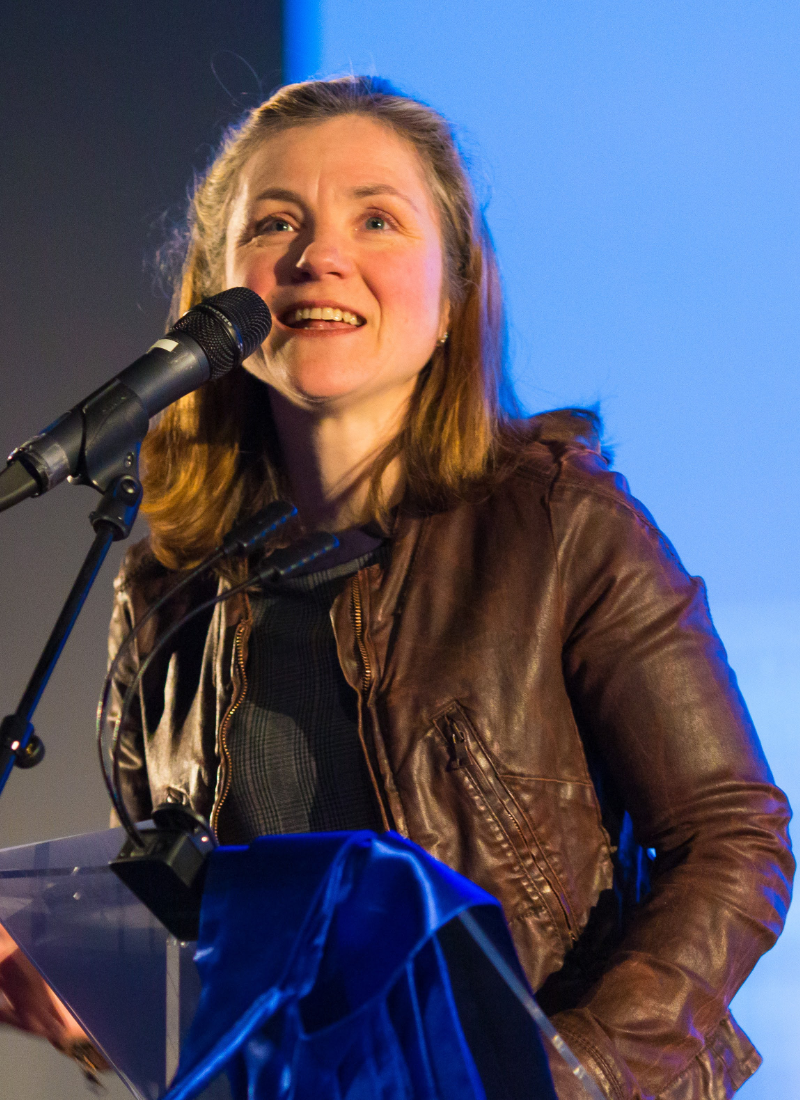
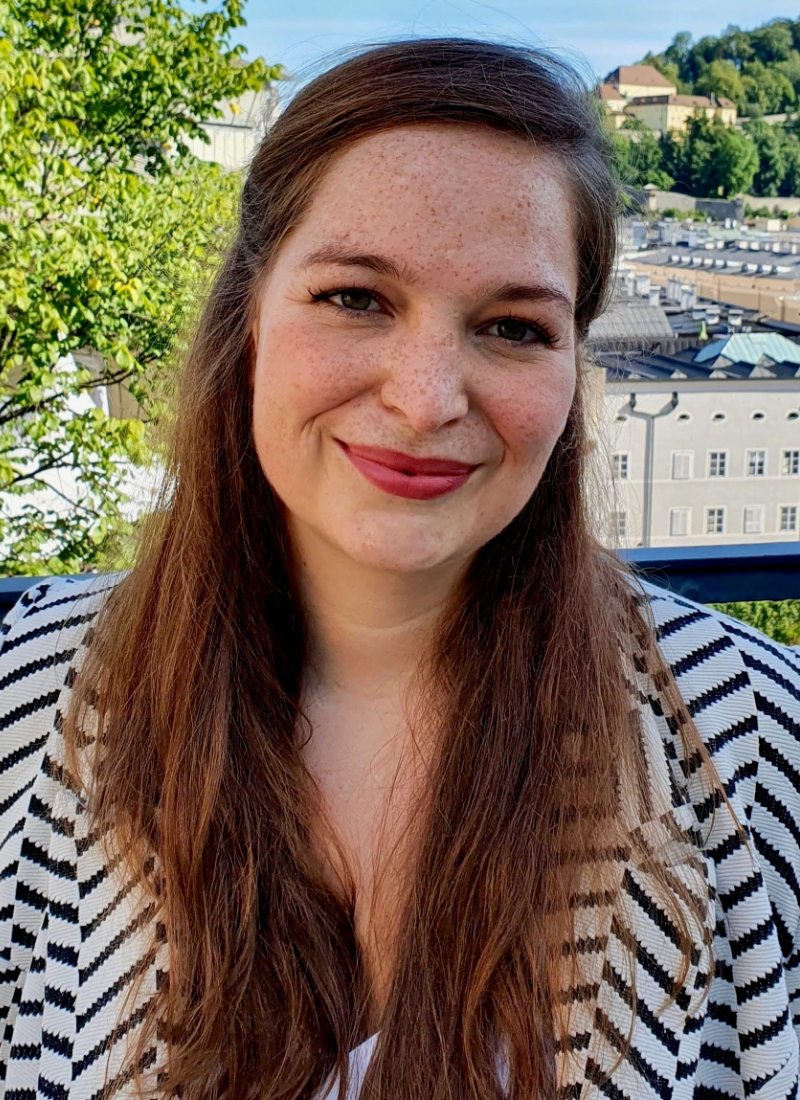
Anna Stelzer | Anna Stelzer is an economist specializing in monetary economics, central bank policies, Bayesian econometrics, and multivariate time series. She holds a PhD in Economics from the University of Salzburg. Her research interests include heterogeneous effects of monetary policy, econometric methods for policy purposes and nonlinear time-series models. She currently works as an economist at the Monetary Policy Section of the Oesterreichische Nationalbank (OeNB) and has previously held positions at the European Central Bank as well as the University of Salzburg and WU Wien. |
Session 2: Going beyond numbers – exploiting nontraditional data | |
Uncovering Disagreement in Central Bank Communication: Social Media and Monetary Policy Surprises | |
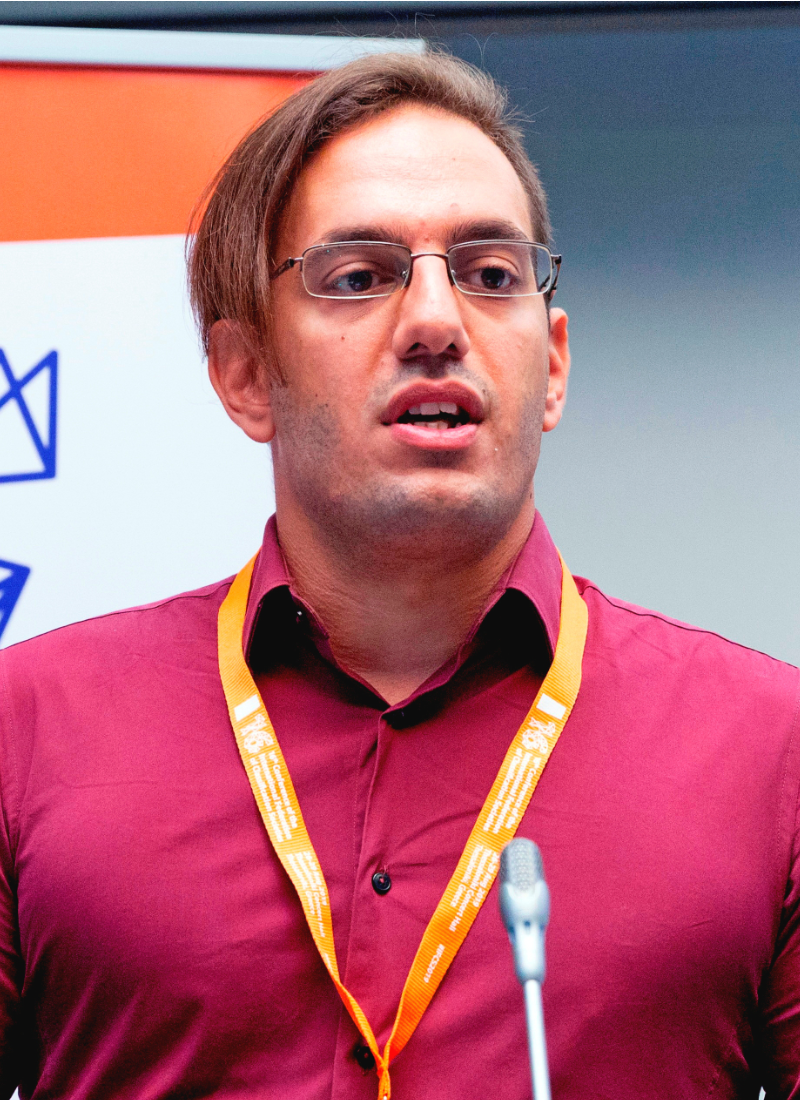
Davide Romelli | Davide Romelli is an Associate Professor in the Department of Economics at Trinity College Dublin. He is a Research Affiliate at International Macro-TCD (IM-TCD) and SUERF – The European Money and Finance Forum, a Research Fellow at the BAFFI-CAREFIN Centre at Bocconi University, a Research Associate at the Centre for Economics, Policy and History, and a Chercheur affilié at OFCE–Sciences Po. He also serves as an Associate Editor for the European Journal of Political Economy, the International Journal of Finance & Economics and International Economics and Economic Policy. |
Disagreement about Fiscal Policy | |
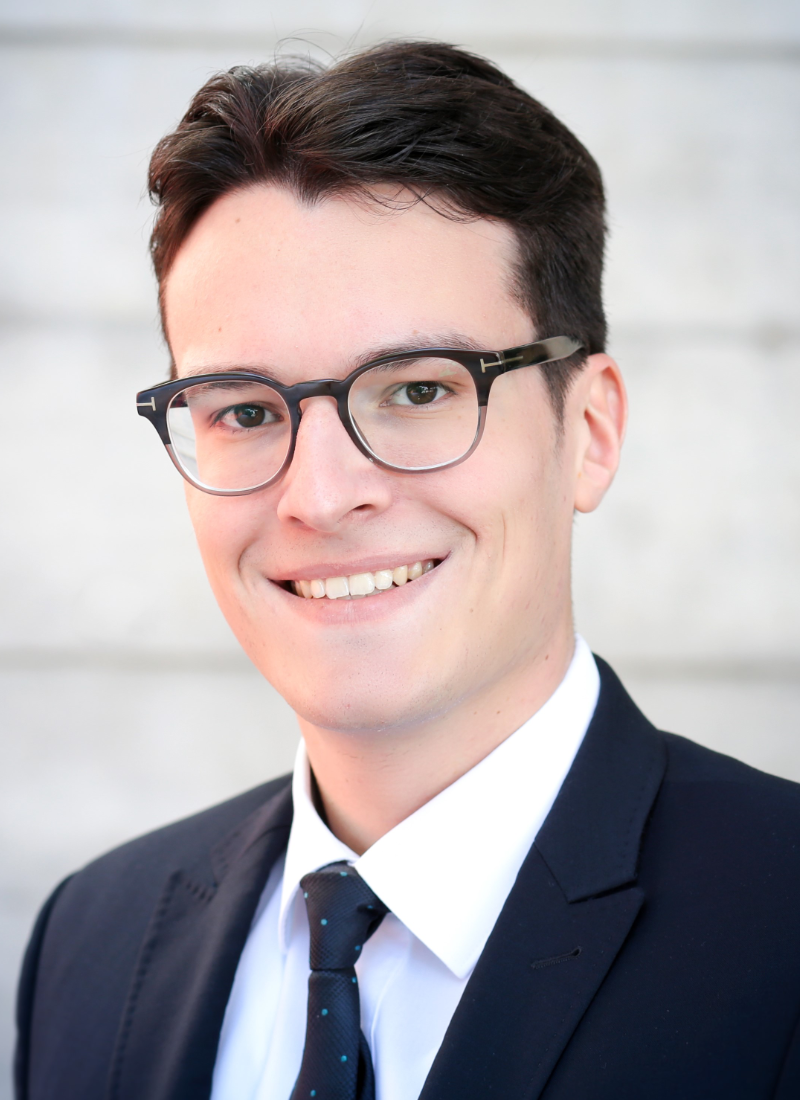
Peter Tillmann | Peter Tillmann is Professor of Monetary Economics at the University of Giessen, Germany. His research interests are monetary policy and empirical macroeconomics. He is also Research Professor at the IWH Halle Institute for Economic Research and a frequent visitor to the Hong Kong Institute for Monetary and Financial Research. Previously, he worked at the Swiss National Bank and the University of Bonn. He holds a PhD from the University of Cologne. |
Slow Tone: Detecting White Lie Disclosures Using Response Latency | |
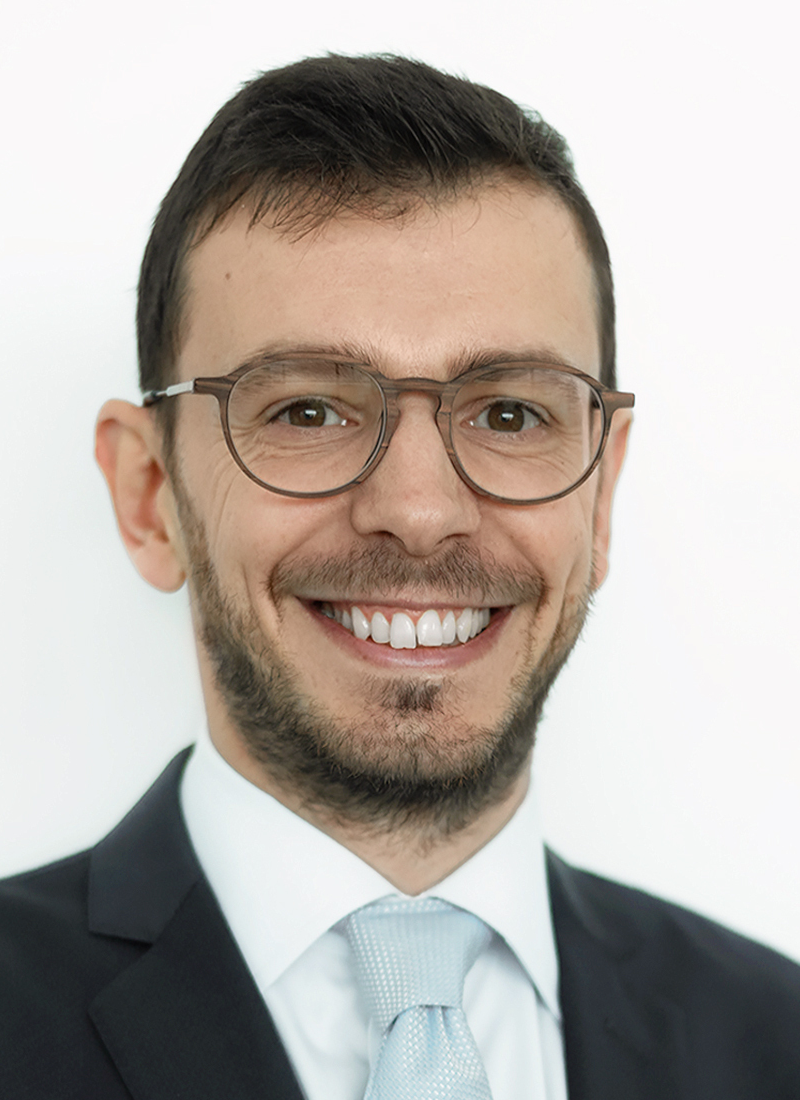
Doron Reichmann | Doron Reichmann is a postdoctoral researcher in the Accounting & Sustainability Department at Goethe University, where he previously served as a W2 Interim Professor of Management and Control. He completed his dissertation at Ruhr University Bochum and was a visiting scholar at Duke University, where he continued his work on nonverbal cues in financial communication. His research has been discussed by leading international and national press, including the Financial Times, FAZ, Harvard Business Manager, and WirtschaftsWoche. |

Session 3: AI as a driver of macroeconomic dynamics | |
The Labor Market Effects of Generative Artificial Intelligence | |
Jonathan Hartley | Jonathan Hartley is an Economics PhD candidate at Stanford University and a Policy Fellow at the Hoover Institution. He holds degrees from the University of Chicago (BA), Wharton (MBA) and Harvard Kennedy School (MPP). His research spans finance, labour and macroeconomics, with recent work on the labour-market effects of generative A. Previously he worked at Goldman Sachs Asset Management and held policy roles at the World Bank, IMF, the U.S. Joint Economic Committee and Federal Reserve Banks. |
The macroeconomic effects of AI innovation | |
Andrea Giovanni Gazzani | Senior Economist, Bank of Italy, DG Economics & Research, International Directorate Ph.D. in Economics, European University Institute |
Concepts and Challenges of Measuring Production of Artificial Intelligence in the U.S. Economy | |
Tina Highfill | Tina Highfill is a senior research economist at the Bureau of Economic Analysis, part of the US Department of Commerce. Tina leads research and development of prominent, multifaceted economic analyses, including several that originated from the US Congress. Tina’s recent work includes developing new and improved macroeconomic statistics, including GDP for the US digital economy, environmental goods and services, and artificial intelligence. Dr. Highfill holds a bachelor’s degree from Virginia Tech, a master’s degree from The Johns Hopkins University, and a PhD from Virginia Commonwealth University. |



Policy panel: Implications of AI for Central Banking | |
Philipp Hartmann | Dr. Philipp Hartmann is Deputy Director General of the research department at the European Central Bank and a Fellow of CEPR. Previously, he held positions at the London School of Economics, Erasmus University Rotterdam and acted as Vice-President of SUERF. Mr Hartmann published scholarly research on financial, monetary and international issues in numerous journal articles and several books. His policy work has been discussed in the ECOFIN Council, the ECB Governing Council and the Basel Committee on Banking Supervision. He is one of the main organisers of the ECB’s flagship Sintra Forum. |
Leonardo Gambacorta | Leonardo Gambacorta is the Head of the Emerging Markets unit at the BIS. Prior to his current role, he served as Head of Innovation and Digital Economy, Research Adviser and Head of Monetary Policy in the Monetary and Economic Department. His primary research interests include monetary transmission mechanisms, the effectiveness of macroprudential policies in curbing systemic risk, and the effects of technological innovation on financial intermediation. He is a research fellow of the Centre for Economic Policy Research. |
Fritzi Köhler-Geib | Fritzi Köhler-Geib is a Member of the Executive Board of the Deutsche Bundesbank and is responsible for IT,Data and Statistics, Risk Control and the Research Centre. Before this, she was the Chief Economist and First Vice President of KfW Group. Previously she worked for over twenty years at the IMF and the World Bank in various positions and re-gions as well as at private sector financial institutions, last as the World Banks Lead Econ-omist and Programme Leader for Central America. She received her PhD in Economics from Ludwig Maximilian University Munich and Pompeu Fabra University, Spain. |
Katja Langenbucher | Katja is a law professor at Goethe-University, affiliated professor at SciencesPo, Paris, and visiting faculty at Fordham Law School, NYC. She has held visiting positions at Sorbonne; WU Vienna; LSE; Columbia, Fordham and PennLaw School and will join NYU Law Global Faculty in 2026. She holds supervisory position as BaFin and SciencesPo. Katja publishes on corporate and financial markets law with a focus on crypto and artificial intelligence. |
Maximilien Kintz | Maximilien Kintz studied engineering and computer science in Nantes (France) and Stuttgart. Since 2009, he has been working at Fraunhofer IAO in Stuttgart, where he has led the “Applied AI” team since 2020. His research focuses on the optimization and automation of business processes, including the analysis of complex text documents. |
Filiz Unsal | Filiz Unsal is Deputy Director of the Policy and Research Branch in the Economics Depart-ment of the OECD, which produces analysis on a wide range of macroeconomic and structural policy issues and coordinates major flagship publications such as the Economic Outlook and Going for Growth. Earlier in her OECD career, she was the Head of the Structural Policy and Research Division, overseeing work on productivity, investment, artificial intelligence, de-mographics, and climate adaptation and modelling. Prior to joining the OECD, she worked at the International Monetary Fund, where she led vari-ous key policy and research initiatives as well as country missions. She holds a Ph.D. in Eco-nomics and an MSc in Economics and Finance from the University of York (UK). Her research, focusing on macroeconomics and international trade and finance, has been widely published and has informed policymaking across advanced and emerging economies. |



Closing remarks | |
Jens Ulbrich | Jens Ulbrich is the Head of the Economics Department at the Deutsche Bundesbank in Frankfurt. Mr Ulbrich is a member of the Monetary Policy Committee of the European System of Central Banks. Before joining the Bundesbank he worked for Dresdner Bank, the German Chancellery and the German Council of Economic Experts. |